Awiqli Launch in India: What Patients and Healthcare Professionals Should Know
Clinical Overview
Diabetes is one of India's most urgent public health challenges, with more than 101 million people living with the condition and an additional 136 million living with prediabetes.
While insulin remains exceptionally effective, clinical adoption is delayed in India by an average of 7 to 9 years. Psychological resistance, injection fatigue, fear of needles, and lifestyle disruption are common barriers.
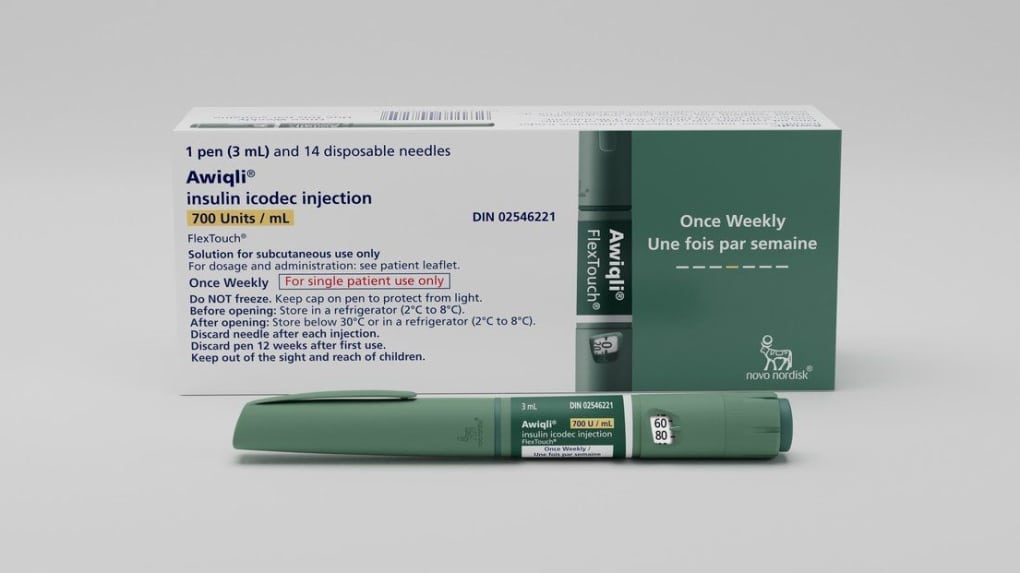
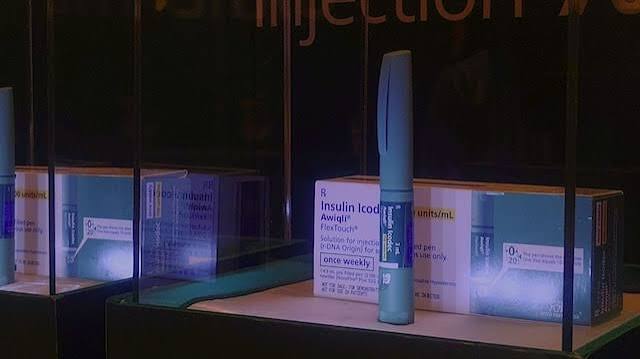
The official launch of Awiqli® (insulin icodec) by Novo Nordisk in India marks a milestone—becoming the world's first once-weekly basal insulin analogue approved to improve adherence and simplify glycemic management.
What is Awiqli?
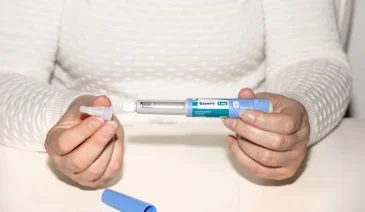
Awiqli is a long-acting basal insulin analogue (insulin icodec) approved for adult patients. Unlike conventional daily basal insulins which require a 24-hour cycle, Awiqli's innovative compound formulation is administered only once every week.
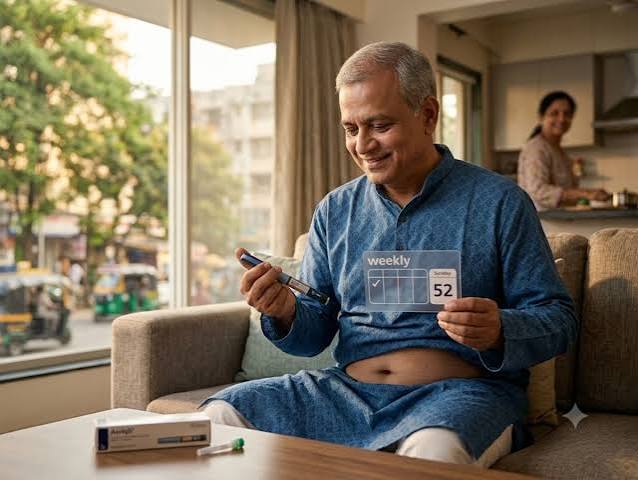
By shifting from 365 daily subcutaneous pricks to just 52 weekly injections per year, patients experience drastically reduced injection-related anxiety and significantly simplified routines.
How Does It Work?
The active ingredient, insulin icodec, is engineered using an advanced molecular design that enables its ultra-long duration of action:
- ✓ Albumin Binding: It binds reversibly to the blood protein albumin, forming a slow-releasing circulating reservoir.
- ✓ 7-Day Consistent Release: Steady concentrations of active insulin are gradually distributed over 168 hours.
- ✓ Stable Glycemic Levels: It maintains dependable baseline blood glucose control day and night, bridging the gaps between meals.

Who Can Benefit?
Awiqli is approved for adults requiring baseline insulin support:
- ✓ Type 2 Diabetes: Can be used as a standalone basal therapy or combined with oral medications or GLP-1 receptor agonists.
- ✓ Type 1 Diabetes: Administered as the basal background layer in combination with fast-acting prandial insulin at meal times.
Ideal For: Busy professionals, frequent travelers, patients experiencing injection fatigue, or anyone looking to reduce daily therapy friction.
Proven Clinical Benefits
Multiple international phase-3 trials (ONWARDS program) demonstrate that once-weekly insulin icodec provides glycemic control comparable to, and in some trials superior to, existing daily basal therapies.
- ✓ Enhanced Adherence: Missing a daily dose is common; weekly timing reduces adherence failures.
- ✓ Equivalent or Superior HbA1c: Achieves targeted baseline glycemic reductions safely.
- ✓ Overcoming Barriers: Simplifies insulin initiation for patients hesitant to start daily injections.
Starting Treatment & Titration
Initiating once-weekly insulin requires structured clinical oversight:
- ✓ New to Insulin: Patients starting insulin for the first time initiate with a recommended baseline dose determined by their diabetologist.
- ✓ Converting Daily to Weekly: Patients switching from daily glargine (Lantus) or daily detemir require a personalized dose calculation.
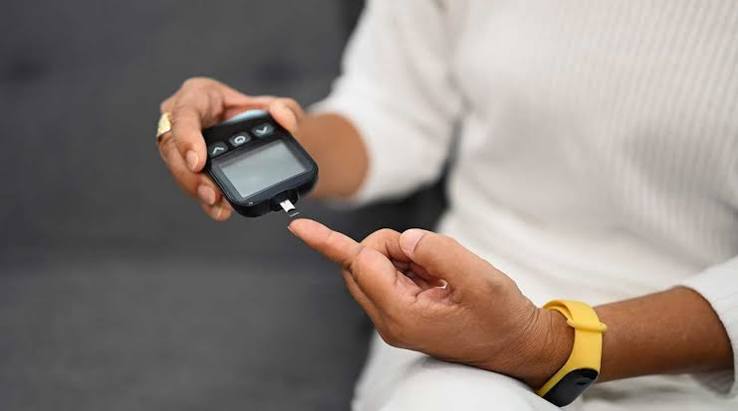
- ✓ Ongoing Titration: Weekly baseline adjustments are made based on pre-breakfast blood glucose tracking.
Safety and Precautions
Hypoglycemia (low blood sugar) remains the primary risk factor of any insulin, including Awiqli. Because of its ultra-long duration of action, managing side effects requires systematic vigilance.
- ✓ Persistent Duration: Since icodec stays active in your system for an entire week, any prolonged hypoglycemic episodes require clinical attention.
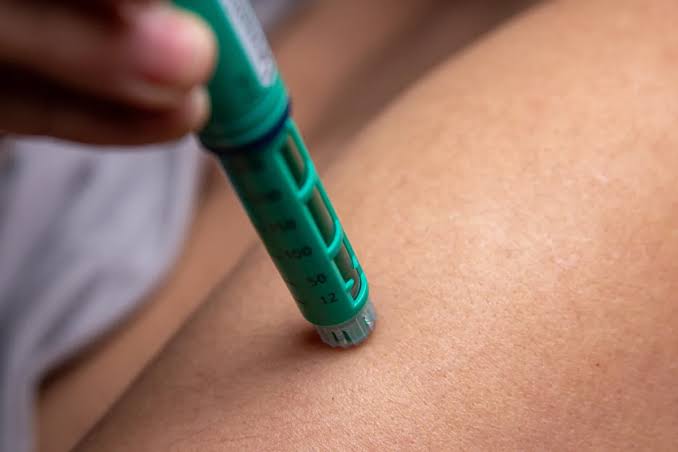
- ✓ Administration Protocol: Injections must be subcutaneous and rotated regularly (thigh, abdomen, or upper arm) on the exact same day each week.
Price in India & Market Value
Novo Nordisk has positioned Awiqli competitively in the Indian pharmaceutical landscape. It is designed to be affordable compared to traditional daily basal options:
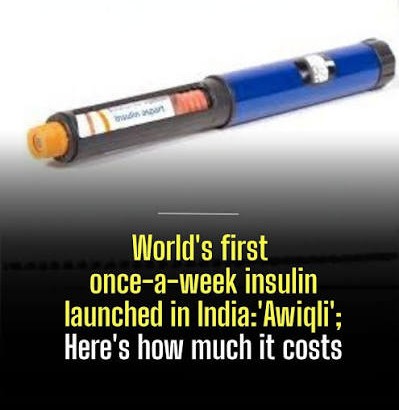
Awiqli FlexTouch Pen 1 mL (700 units): MRP ₹2,611
Awiqli FlexTouch Pen 3 mL (2,100 units): MRP ₹7,833
Cost-Benefit Comparison
For an average patient requiring 70 units per week, the cost averages ₹261 per week. This compares favorably against daily basal glargine alternatives (e.g., Lantus, Biocon, or Lupin), which average ₹345 to ₹453 per 70 units in the market.
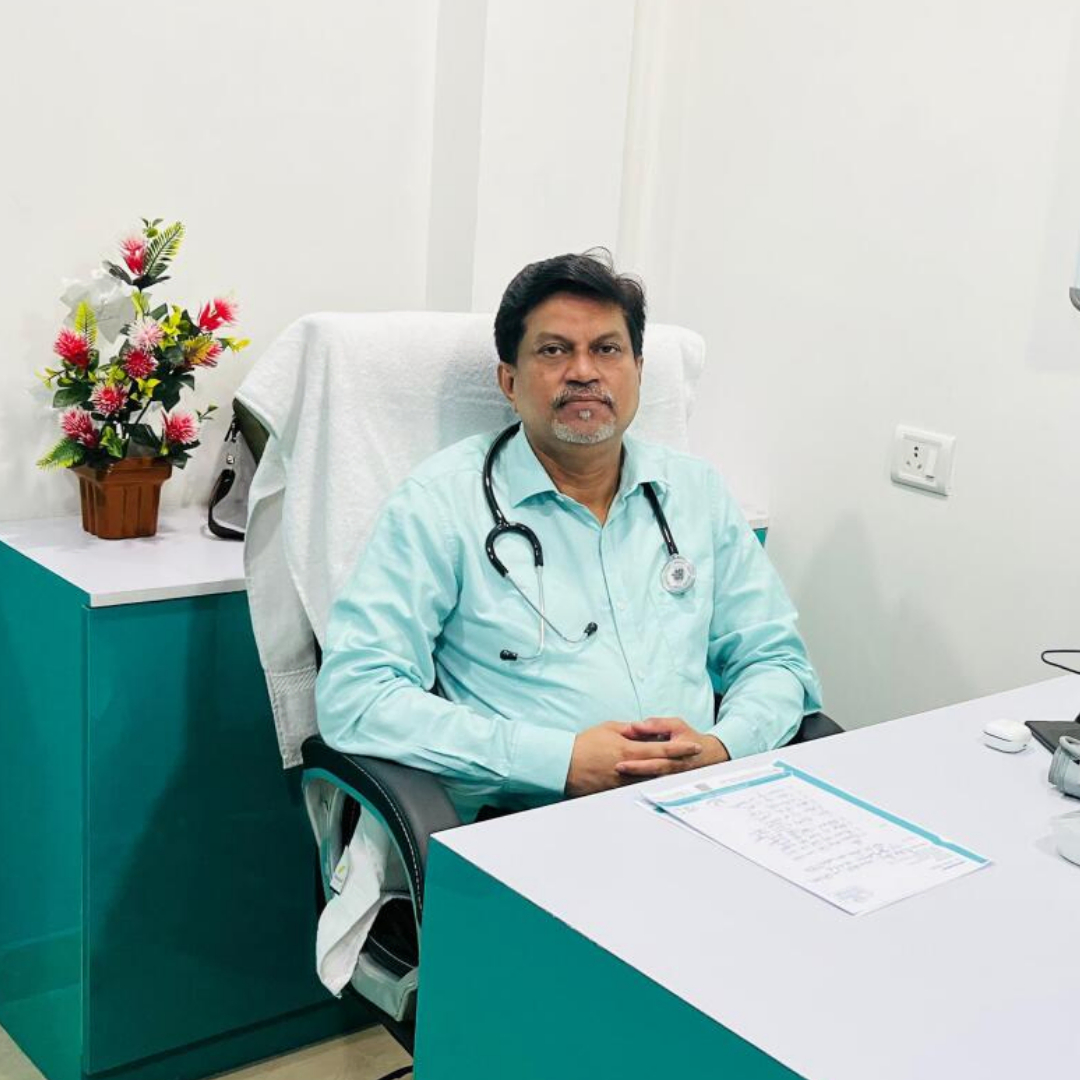
About Dr. Irfan Khan
Dr. Irfan Khan, MD, PG Diploma in Diabetes & Endocrinology, is a clinical diabetologist, physician, and non-surgical obesity specialist practicing at ZayMed Healthcare Centre, Malviya Nagar, New Delhi.
With expertise in managing complex Type 2 Diabetes, customized titration, and long-term metabolic health programs, Dr. Khan conducts structured diagnostics to evaluate patient eligibility for Awiqli and GLP-1 therapies.
Appointment Hotline
+91 70177 38356ZayMed Healthcare Centre – Specialist OPDs, Diagnostics, Malviya Nagar, New Delhi.
Frequently Asked Questions
Can I change the administration day of Awiqli? +
Awiqli should be taken on the exact same day each week. In exceptional cases, the weekly dosing day can be shifted, provided that the time between the two injections is at least 4 days (96 hours). Always consult your endocrinologist or diabetologist before altering schedules.
Is Awiqli cheaper than standard daily basal insulins in India? +
Yes, at typical usage profiles. A 70-unit weekly dose of Awiqli translates to roughly ₹261 per week, whereas a corresponding 70 units of modern daily long-acting basal insulins (like Sanofi's Lantus) can cost between ₹345 to ₹453 on average, representing a competitive clinical and monetary advantage.
Where can I consult Dr. Irfan Khan for evaluation? +
Dr. Irfan Khan welcomes patients at ZayMed Healthcare Centre located in Malviya Nagar, New Delhi. Appointments, clinical screenings, and eligibility evaluations can be booked directly via phone at +91 70177 38356.
Medical Disclaimer:
This article is created strictly for educational purposes and does not substitute for personal medical consultation, official diagnostics, or expert pharmaceutical prescription protocols. Never adjust, initiate, or alter insulin therapies without explicit, personalized instruction and ongoing clinical assessment from your doctor.